
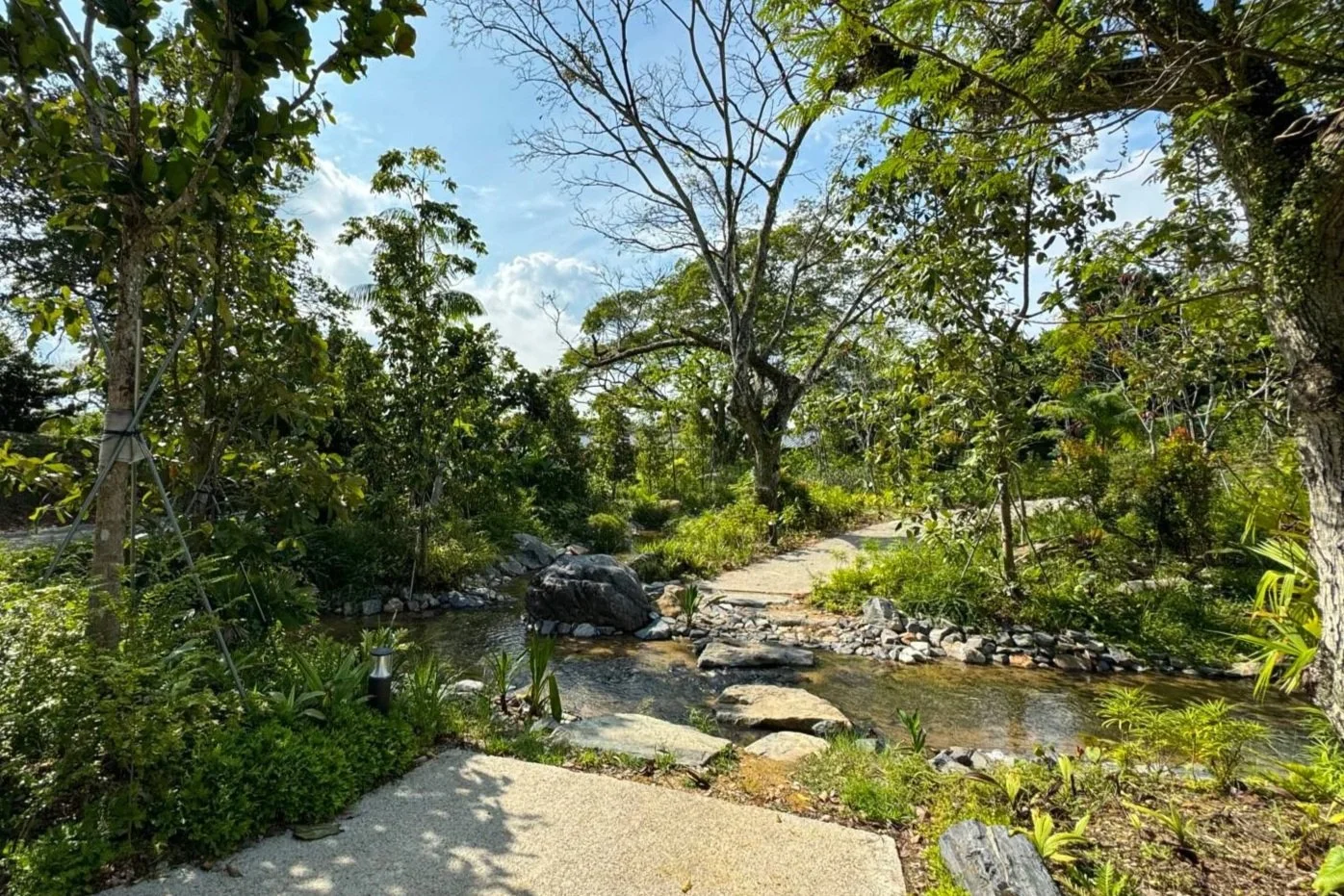
Jurong Lake Garden
(Japanese Garden)
Client: National Parks Board
Architect: Liu & Wo Architects Pte Ltd
Landscape Architect/Designer: SALD Pte Ltd / Landscape Design
Main Contractor: Kuan Aik Hong Construction Pte Ltd
Year: 2024
LIAS Awards of Excellence 2025
Gold – Implementation (Public & Urban Spaces)

The 31-hectare Japanese Garden, located on an island in Jurong Lake, first opened in the 1970s as the sister garden to the Chinese Garden. Recently rejuvenated, it blends lush greenery with tranquil waterscapes, showcasing vibrant tropical flora alongside traditional Japanese garden design elements.
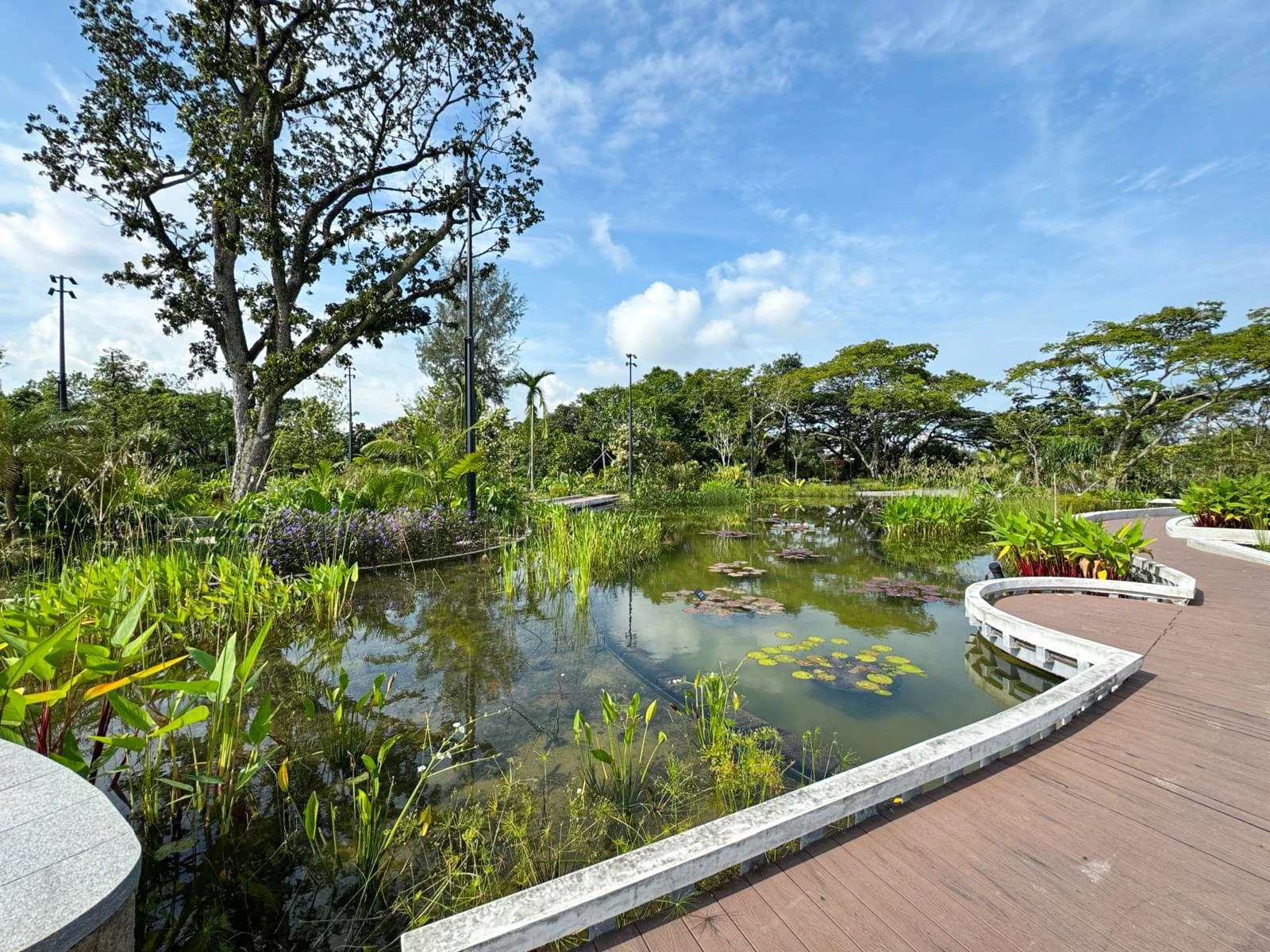
The Japanese Garden at Jurong Lake Gardens is not only a stunning display of cultural heritage and natural beauty but also a space for reflection, peace, and connection with nature. It offers a peaceful escape from the bustle of city life, inviting visitors to slow down, immerse themselves in the garden’s tranquil environment, and find moments of calm and inspiration.
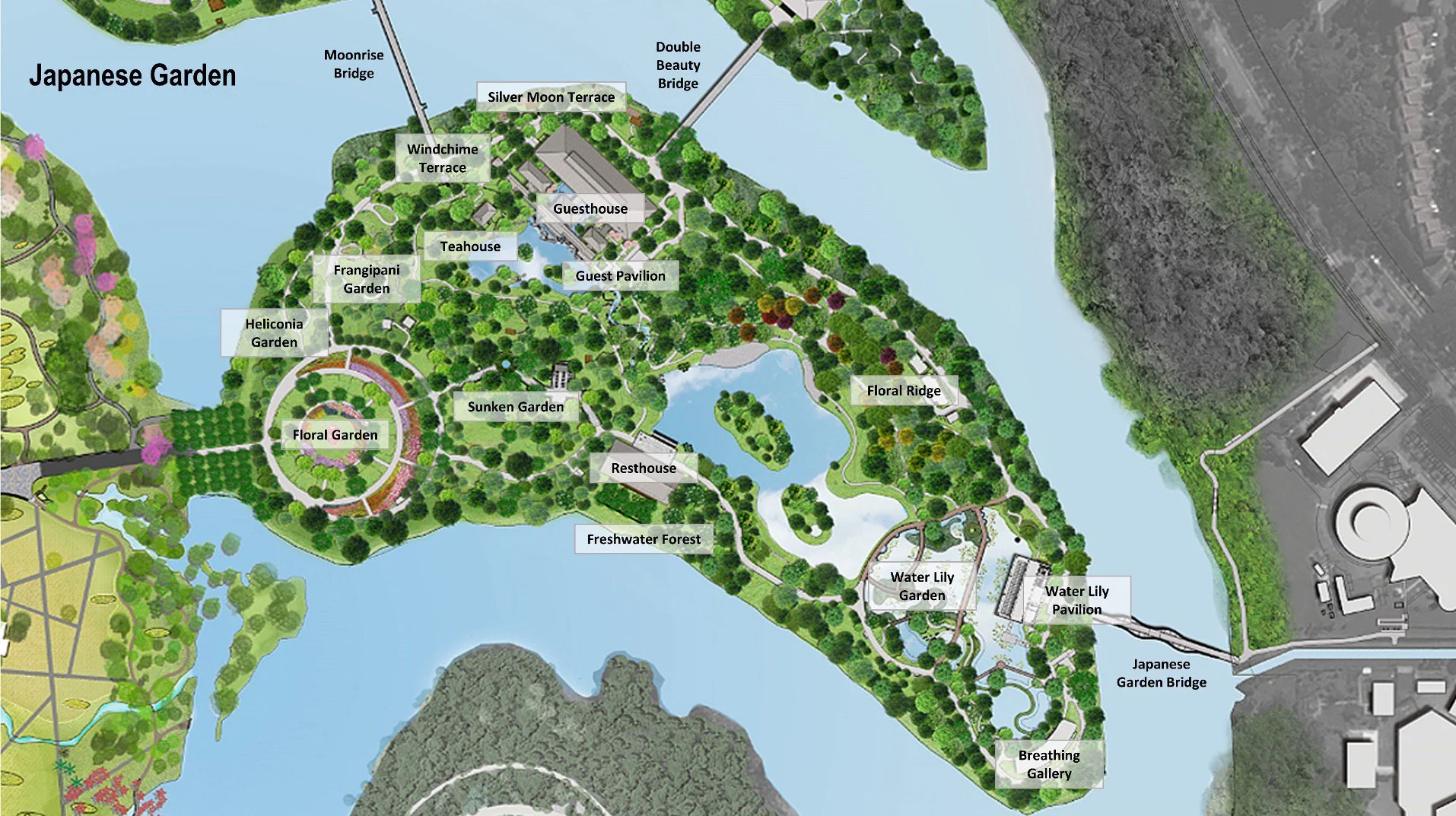
Water Lily Garden
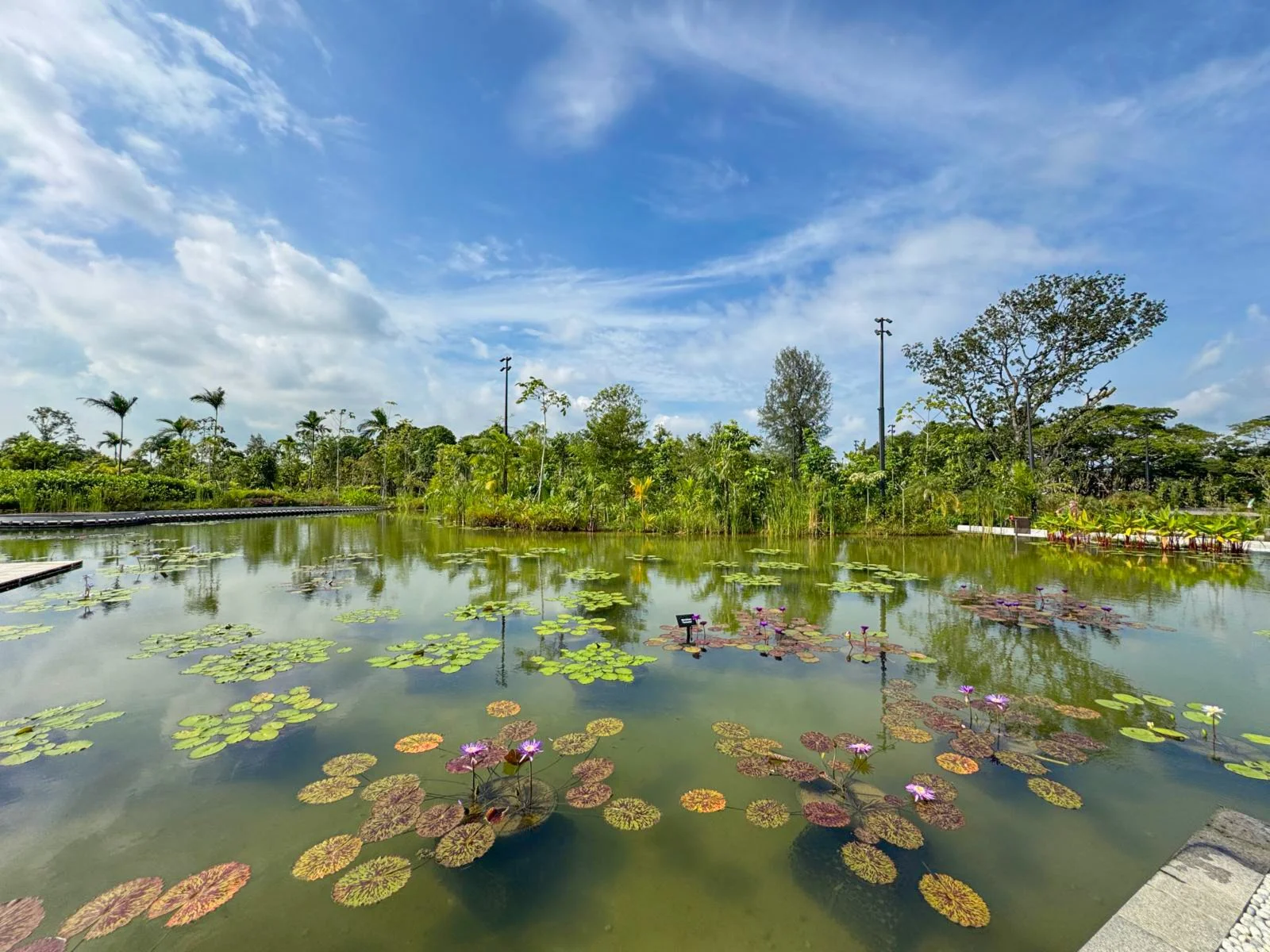
The Water Lily Garden will house the largest collection of water lilies in Singapore, featuring over 150 varieties displayed in terraced ponds. This includes both day and night blooming varieties, as well as the largest and smallest members of the water lily family, which were pre-grown for better establishment.
Freshwater forest
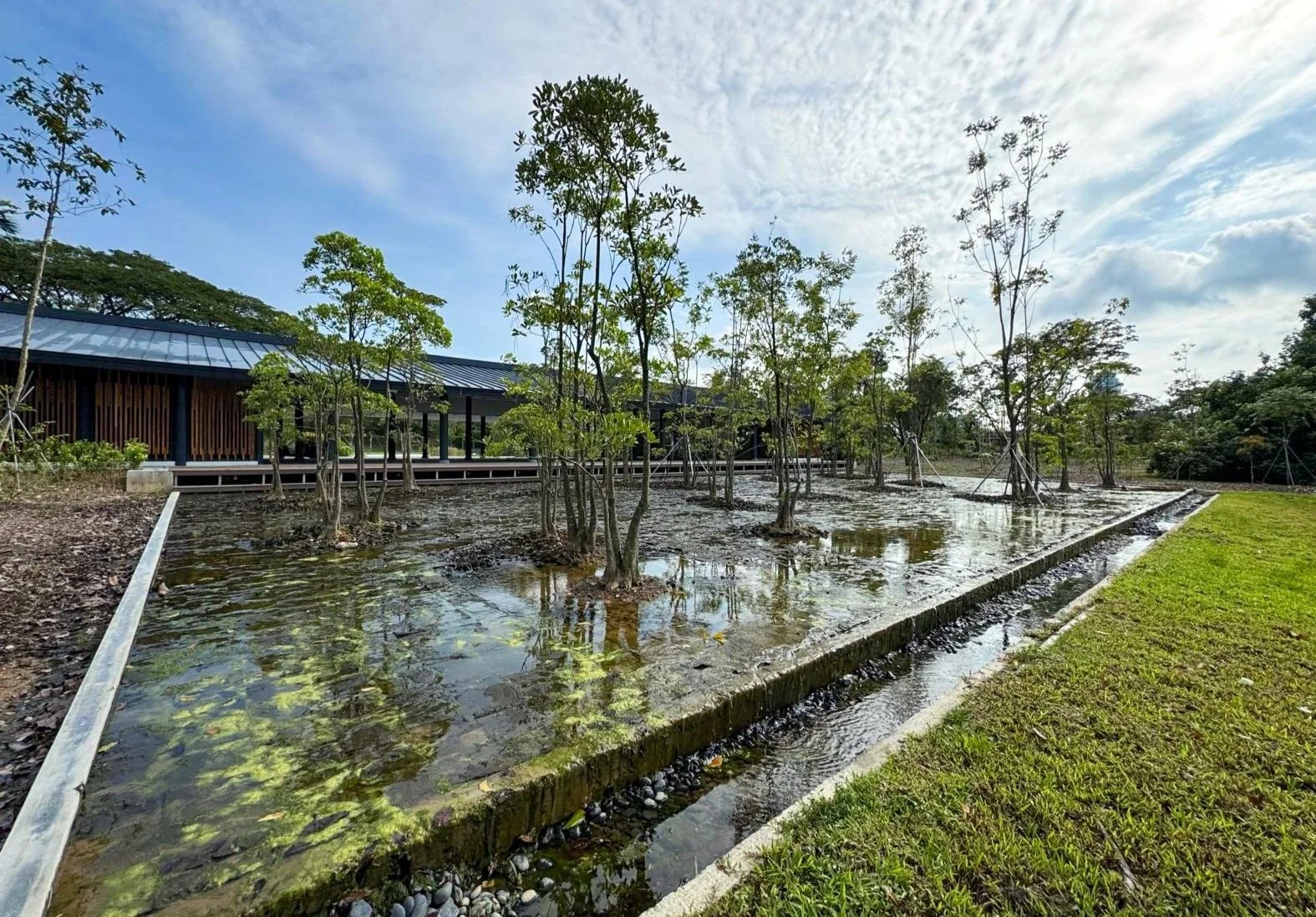
The Freshwater Forest at Jurong Lake Gardens serves as both a serene retreat and a powerful educational resource, offering visitors a deep connection to nature and a greater appreciation for the vital role of freshwater ecosystems.
Alstonia Spatulata, commonly known as Marsh Pulai, is a native tree species found in Singapore. It grows in swamp forests and mostly in secondary vegetation.
Cleansing Biotope
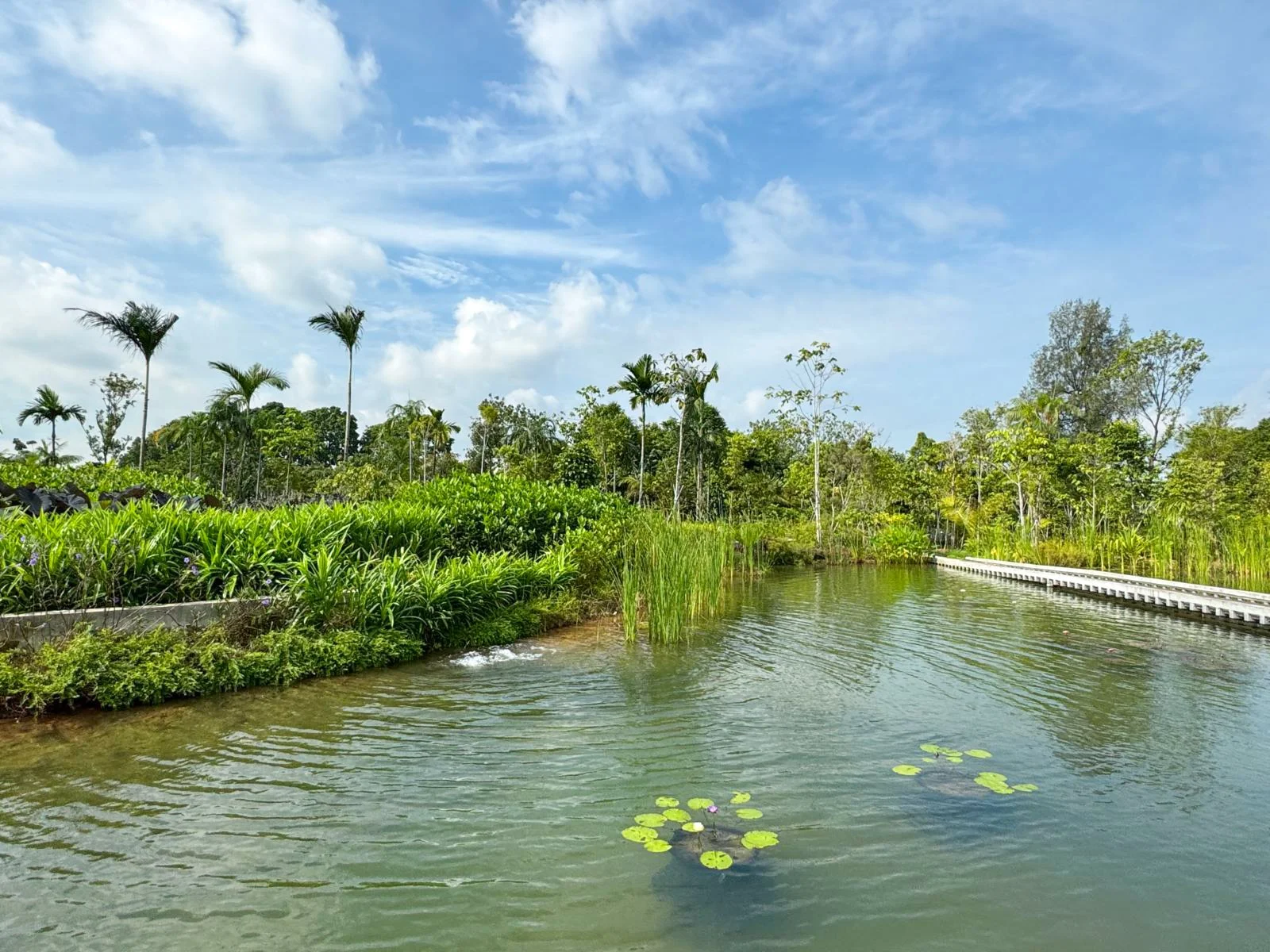
A variety of aquatic plants were used to act as a natural filtration system that purify the water as it flows through the garden. Visitor’s will not only enjoy a pretty view, it’s also provide a sustainable method of maintaining a water feature.
Guest Pavilion
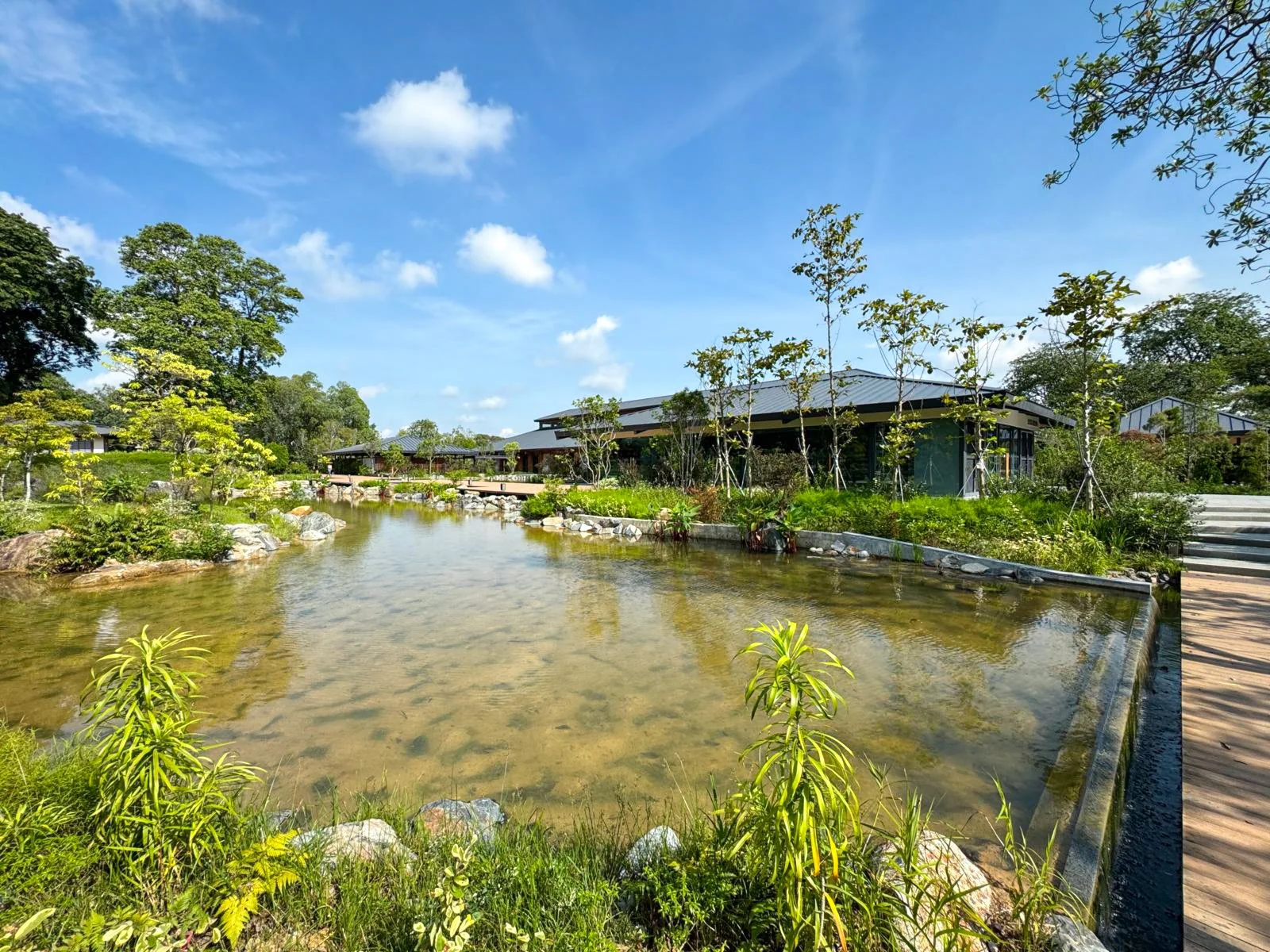
The Guest Pavilion at Jurong Lake Gardens is an elegant, welcoming structure designed to serve as a central point for visitors, offering both functionality and aesthetic beauty in harmony with the surrounding landscape.
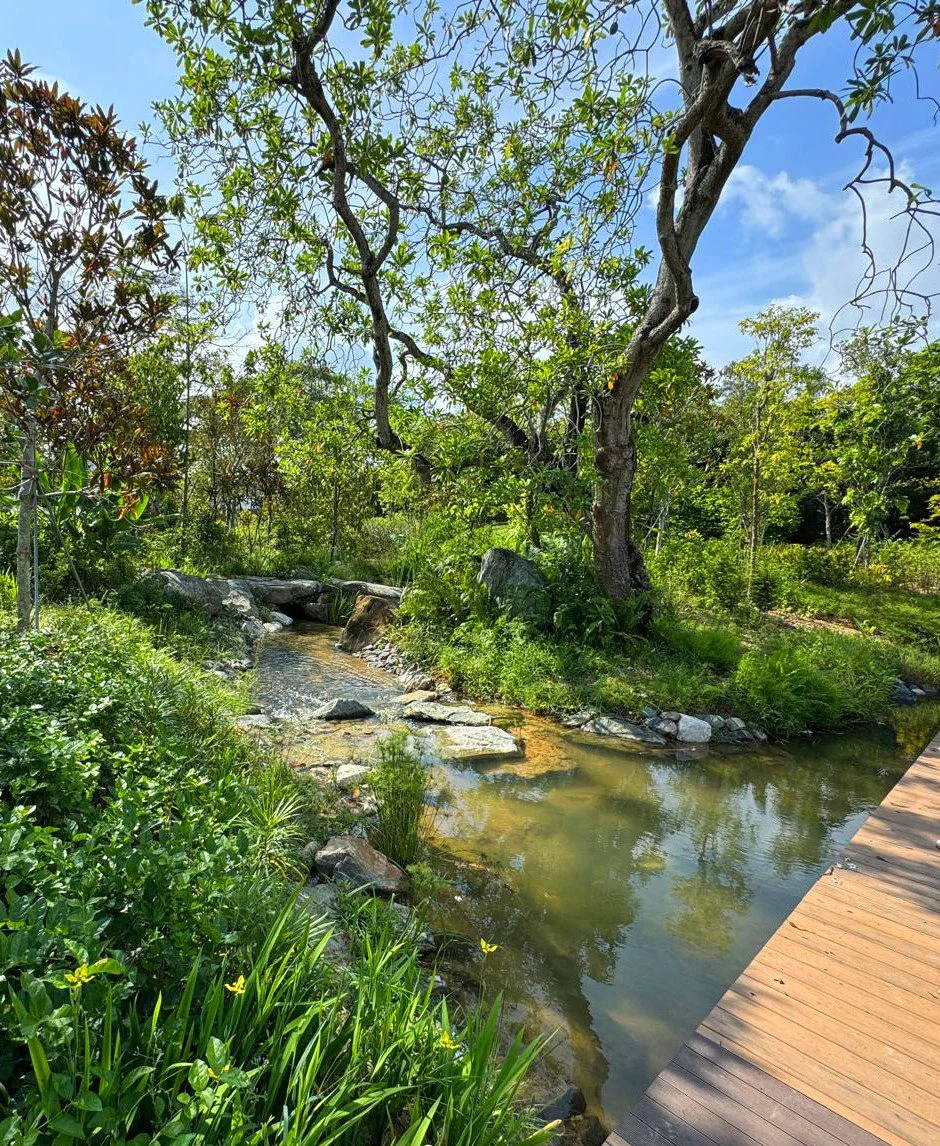
Double Beauty Bridge Entrance
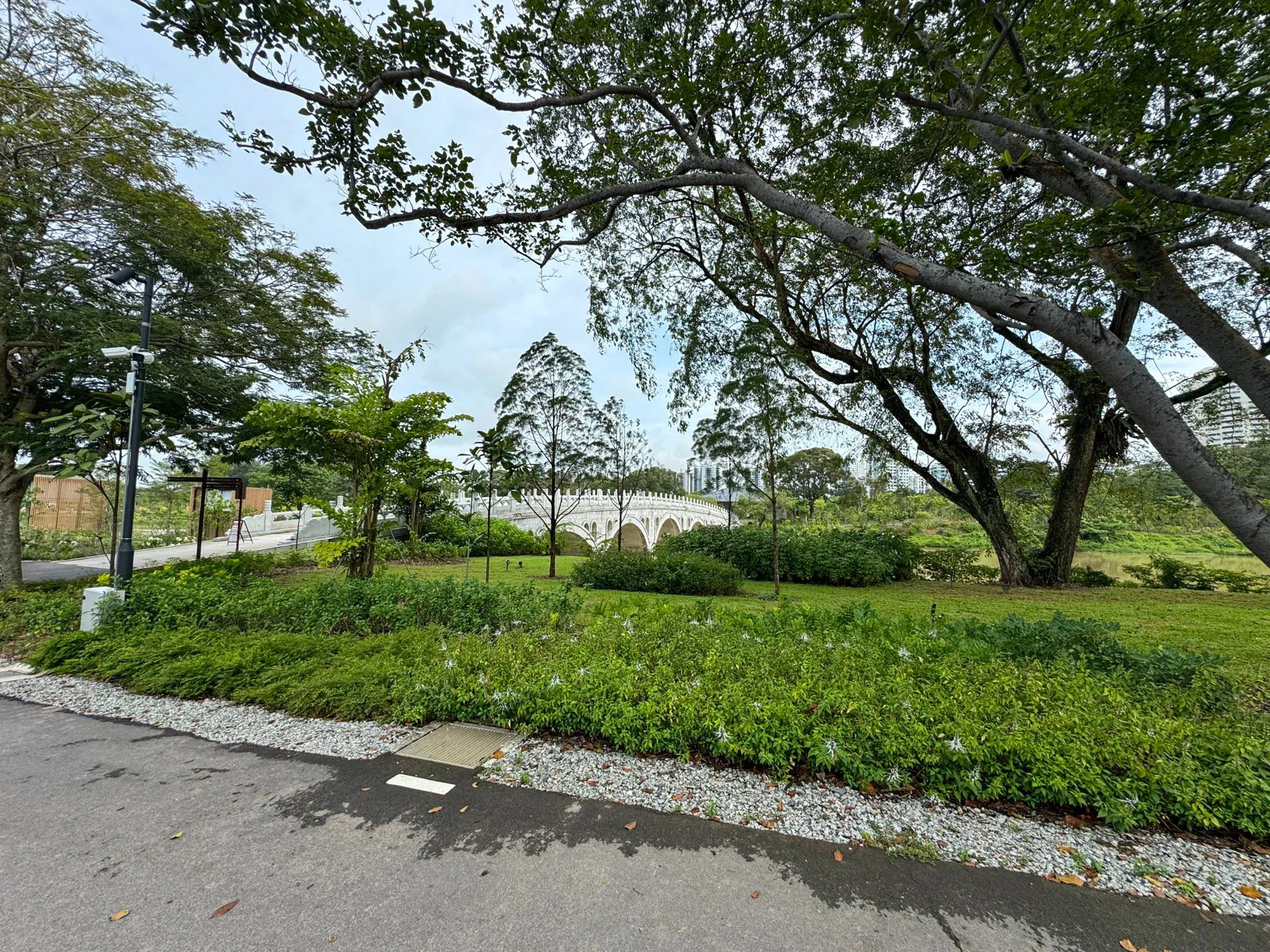
The welcoming entrance to the Double Beauty Bridge, which links the Japanese Garden to the Chinese Garden, is planted with layered mixed shrubs and accent trees, creating a contrasting display of lush green.
